In SMT production, machine speed and placement accuracy often receive the most attention. However, many unexpected line stops are not caused by major machine failures, but by small and frequently overlooked spare parts.
For EMS factories and electronics manufacturers, unplanned downtime means production delays, missed delivery schedules, and higher operating costs. Managing SMT spare parts properly is one of the most practical ways to keep a production line stable and efficient.
This article shares practical insights from real production environments and explains how quality spare parts help reduce SMT line downtime.
Why SMT Line Downtime Happens More Often Than Expected
In daily production, SMT lines run continuously under high speed and repetitive mechanical movement. Even when machines are well maintained, wear parts naturally degrade over time.
Common causes of downtime include:
-
Worn or damaged nozzles leading to pick-up errors
-
Feeder component wear causing misfeeding
-
Conveyor belts losing stability or alignment
-
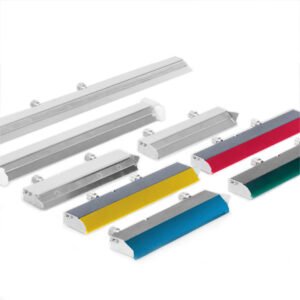
Squeegee blade wear affecting solder paste consistency
-
Sensors or small mechanical parts reaching end-of-life
Most of these issues do not happen suddenly. They develop gradually until production quality drops or machines stop unexpectedly.
The Role of Quality SMT Spare Parts
Not all spare parts perform equally. In many factories, line instability comes from inconsistent or low-quality replacement parts rather than the machine itself.
High-quality SMT spare parts help by:
-
Maintaining consistent placement accuracy
-
Reducing feeding errors and component loss
-
Extending machine running time between maintenance cycles
-
Preventing repeated machine adjustments
For example, a worn nozzle may still work visually, but vacuum performance decreases, resulting in frequent pick failures. Over time, this creates small stops that accumulate into significant downtime.
Critical Spare Parts Every SMT Line Should Monitor
Based on typical production experience, several spare parts directly impact line stability.
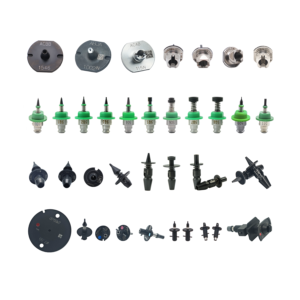
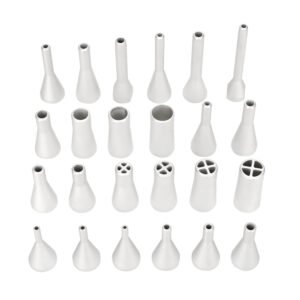
1. SMT Nozzles
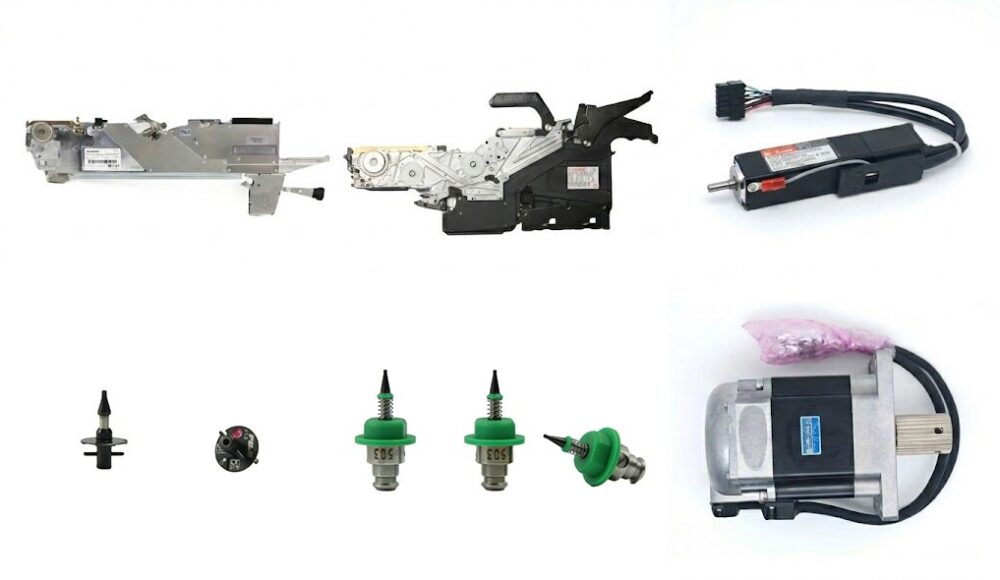
Nozzles are consumable parts exposed to constant mechanical contact and cleaning cycles. Regular inspection and replacement prevent pick-up failures and placement errors.
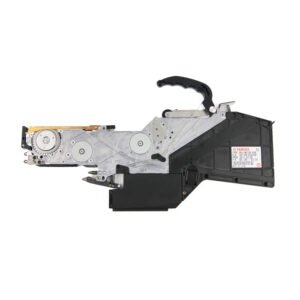
2. Feeder Parts
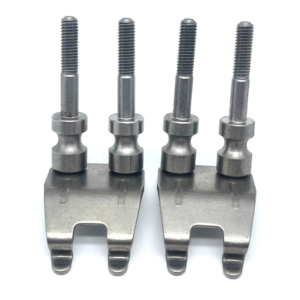
Feeder mechanisms experience continuous motion. Springs, rollers, and small internal components can wear out gradually, causing intermittent feeding problems that are difficult to diagnose.
3. Conveyor and Transfer Components
Stable PCB movement is essential for accurate placement. Worn belts or mechanical guides may introduce vibration or positioning issues.
Squeegee blades and printer components directly affect solder paste quality. Poor printing often leads to downstream defects and additional rework time.
Preventive Spare Parts Strategy Instead of Emergency Buying
A common mistake is purchasing spare parts only after a failure occurs. This approach increases downtime because parts may not be immediately available.
A more effective strategy is:
-
Keep minimum stock for high-wear items
-
Track replacement cycles based on production volume
-
Use consistent part specifications to avoid machine recalibration
-
Work with suppliers who maintain ready stock
Many experienced SMT factories treat spare parts as part of production planning rather than maintenance response.
Choosing Reliable SMT Spare Parts Suppliers
When selecting spare parts, price should not be the only factor. Consistency and availability are equally important.
A reliable supplier should provide:
-
Stable quality across batches
-
Fast delivery for urgent needs
-
Technical understanding of SMT production environments
-
Compatible parts for multiple machine brands
In real production situations, the ability to quickly replace a worn part often matters more than saving a small amount on purchase cost.
Final Thoughts
Reducing SMT line downtime is not always about upgrading machines or investing in new equipment. In many cases, stable production comes from proper spare parts management and preventive replacement.
Quality SMT spare parts help maintain accuracy, reduce unexpected stops, and improve overall production efficiency. For factories aiming to keep lines running smoothly, building a reliable spare parts strategy is one of the simplest and most effective long-term solutions.